New EU AI Transparency Rules Require Disclosure of AI Use Across Nearly All Use Cases
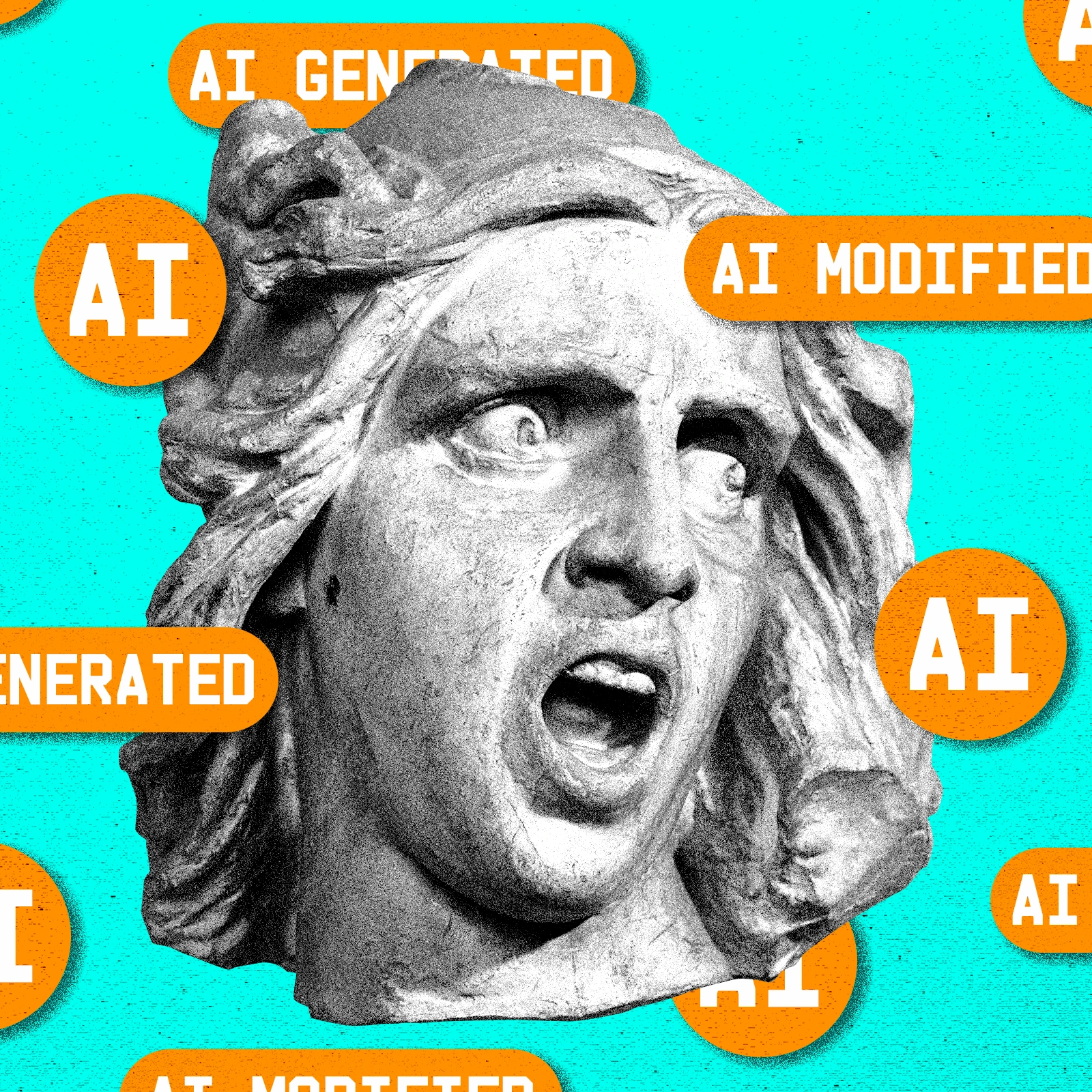
From targeted advertisements and algorithmic music recommendations to calendar management tools and automated customer complaint hotlines, any service powered by artificial intelligence will soon be required to disclose its AI status to people across the European Union. Starting this Sunday, EU residents gain a new legal right to know when they are interacting with an AI system, or viewing content that was created or modified by AI technology.
These new transparency requirements are an early provision of the bloc’s landmark Artificial Intelligence Act, which officially enters into force on August 2. The rules are designed to cut down on deceptive AI-driven manipulation, empower users to make well-informed decisions, and advance the EU’s broader goal of building a regional ecosystem of fully trustworthy AI.
“If a provider fully complies with these transparency obligations, it will become extremely clear just how pervasive AI use really is across the economy,” Frederiek Fernhout, a technology lawyer at international law firm Stibbe, told WIRED. “This is especially visible in marketing.”
Any advertisement or corporate social media post built with AI deepfakes will be required to carry an explicit label marking the content as AI-generated. AI-powered chatbots and automated complaint hotlines must clearly state their AI-based nature to users upfront. Even call centers that use machine learning to track callers’ emotions and flag customer frustration will have to disclose this practice at the start of every call. The rules apply to business-to-business use as well: any commercial application of AI, from scheduling appointments and managing correspondence to negotiating contracts, requires explicit disclosure to all parties.
Companies that fail to meet these requirements face steep penalties: fines of up to €15 million (roughly $17 million), or 3% of a firm’s total annual global turnover—whichever value is higher. AI model developers are also bound by the new law, and will be overseen by the European Commission’s newly created AI Office. This requirement extends far beyond the most high-profile AI developers like OpenAI, Anthropic, and Google DeepMind.
Thibau Duquin, a technology and data lawyer also at Stibbe, pointed to everyday consumer brands that fall under the rules: for example, Spotify, which uses AI to power its personalized music recommendation algorithms, or Adobe, which builds AI editing features into Photoshop. “When you start looking, AI is everywhere, and all of this content will need to be labeled moving forward,” Duquin said.
Critics warn that the extremely broad scope of the new rules could lead to consumer information overload. “Excessive labeling can cause ‘banner blindness’ with endless notifications,” Boniface de Champris, AI policy lead at the Computer & Communications Industry Association, warned in December. “If we have to label everything from emails that went through basic AI spell check to photos edited with a simple AI filter, AI content labeling will lose all meaning.”
The new legislation draws clear parallels to the EU’s 2018 General Data Protection Regulation (GDPR), the bloc’s landmark privacy law that reshaped how people experience the internet. By granting consumers new rights to understand and control how companies use their personal data, GDPR rewrote the rules of the digital economy. It brought the ubiquitous cookie consent pop-ups that are now standard across the web, left many users with persistent “cookie fatigue,” and sparked a global scramble by businesses to update their practices to comply.
The challenges of rolling out and enforcing complex technical regulation echo GDPR’s early days too, Fernhout says. “Right now, a lot of key terms are still unclear and need specific guidance from regulators, and I think the same will happen here,” she explained. “It is also very technical, so these requirements need to be built into the underlying systems of services themselves, which adds a lot of complication.”
The EU has acknowledged the technical hurdles of implementation, and has approved a transitional period running through December for AI model providers to label all synthetic audio, images, video, and text in a machine-readable format that makes AI-generated content easily detectable. Other compliance deadlines outlined in the AI Act have already been pushed back, as the new European AI Office has taken longer than expected to produce key official compliance guidelines.
The EU’s 27 member states are also at very different stages of building out their national AI supervisory frameworks, meaning enforcement “might not be as immediate or uniform on day one as we expect,” Rosie Nance, a data and AI regulatory lawyer at Norton Rose Fulbright, told WIRED. Nance cautioned that “we’re not necessarily going to see consistent, widespread enforcement straight away.”
Even so, Duquin says the sweeping scope of the regulation will eventually be a “gamechanger” for companies operating in the EU. The rules force businesses to make a fundamental choice about their AI use: “Will they be comfortable labeling their AI use, or will they revert to older systems that are not AI-based? Will they go back to doing things manually, or are they willing to take the risk of being transparent about how much AI they use, and continue to leverage AI for all their operations while disclosing that use openly?”
New EU AI Transparency Rules Require Disclosure of AI Use Across Nearly All Use Cases