The Fractured Silicon Valley Battle Over Chinese Open-Weight AI
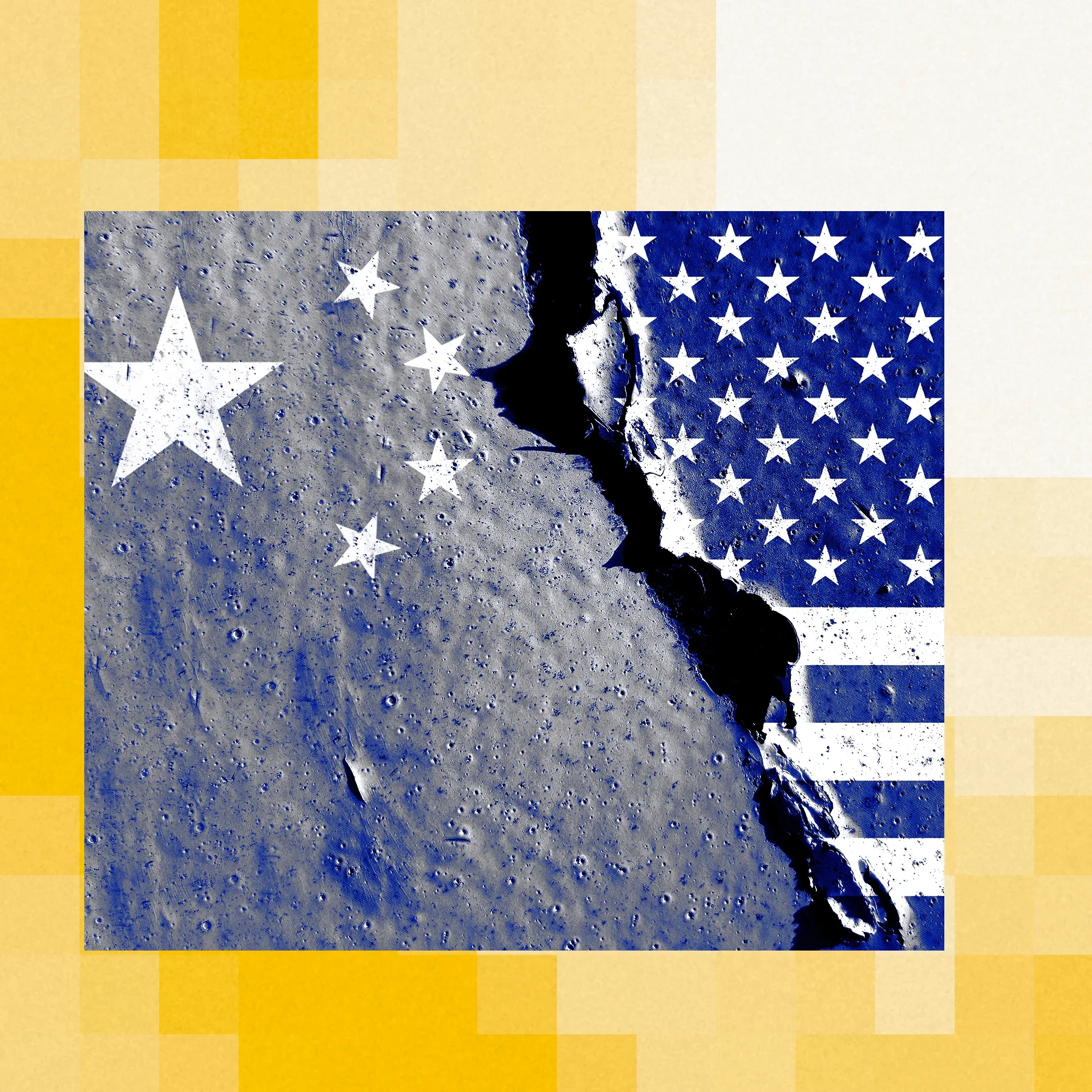
A bitter, fast-growing debate is roiling Silicon Valley over the rapid proliferation of Chinese-built artificial intelligence tools—most notably open-weight AI systems, which by many metrics can match or even outperform some of the top AI models developed in the United States.
My WIRED colleague Hugo Lowell has already detailed the internal deliberations inside the Trump administration over how to regulate these Chinese models, but the split runs far deeper among AI companies based in the Valley itself. One of the top shared concerns for both Washington policymakers and Silicon Valley industry leaders centers on model distillation: the process where a less capable AI model is trained on the outputs of a more powerful system to replicate its performance without building the model from scratch.
Back in June, leading AI firm Anthropic publicly accused Chinese tech giant Alibaba of illegally stealing its intellectual property via a distillation attack. Earlier this week, the White House backed that line of thinking, confirming it believes Beijing-based Moonshot AI built its Kimi K3 model by distilling outputs from Anthropic’s own Fable 5 model.
A second major worry is the breakneck speed at which China’s open-weight models are developed and distributed globally. Unlike closed proprietary models, open-weight AI systems release their core parameters publicly, so any user can fine-tune them to fit their specific needs. Critics note these public models lack the strict safety guardrails that Anthropic has built its entire brand reputation around.
Yasir Atalan, deputy director and data fellow at the Center for International and Strategic Studies, points out that the core advantage of open-weight models is how quickly they can spread globally. They circulate especially easily “through Hugging Face, GitHub, cloud providers, local deployments, and third-party inference platforms,” he notes.
For a company like Anthropic— which has cultivated a loyal audience around its focus on AI safety and charges premium rates for access to its costly proprietary models— pushing for strict regulation of these Chinese models is an obvious priority. But many smaller Silicon Valley startups, not the trillion-dollar industry leaders like OpenAI and Anthropic, are fiercely opposed to the U.S. government imposing broad restrictions on these AI models.
On Wednesday, a coalition of more than 200 startups organized as the Little Tech Association sent a letter to Trump’s science adviser Michael Kratsios and U.S. Commerce Secretary Howard Lutnick, lobbying against a full ban on Chinese open-weight AI models. The group, which includes iconic startup incubator YCombinator, supports targeted safety safeguards but argues that cutting off American access to foreign-built AI models would weaken U.S. startups and entrench monopoly power for the biggest established AI giants.
Legendary tech investor and longtime Benchmark Capital partner Bill Gurley has publicly argued in favor of letting “the free market work” in this space. In a detailed blog post tracing the history of open-source software, Gurley explains that open-weight models avoid vendor lock-in, enable independent academic research, and are critical for cash-strapped early-stage startups. “Every AI startup, every solo developer, every two-person team building a product on top of AI infrastructure depends on having access to good models at affordable prices,” Gurley says.
Chamath Palihapitiya, venture capitalist and co-host of the All-In podcast, wrote on X that “tricking the U.S. Government to protect frontier labs’ business model by using a China boogeyman is a mistake…It is protecting the equity of 5,000 people who are investors in OAI and Ant at the expense of everyone else. This would be a terribly stupid decision.” His co-host and fellow VC Jason Calacanis echoed the criticism, mocking the big labs’ lobbying with a sarcastic post on X reading “Daddy Trump protect us!!!!” paired with dozens of crying-laughing emojis.
This stance from some of Silicon Valley’s most hard-nosed capitalist leaders can seem counterintuitive at first glance: why would U.S. tech leaders let a geopolitical rival’s technology gain traction in the American market? It is comparable to holding a narrow 1-0 lead late in the global AI race, and a large chunk of the home crowd calling for a penalty kick for the opposing team. But the motivation, as always, comes down to business incentives.
In many ways, open-weight AI is the AI era’s version of Silicon Valley’s iconic “move fast and break things” ethos, with a loose addendum to address harms down the line. Access to affordable open AI tools lets startups scale rapidly, pushing off safety and regulatory concerns until after they have grown their user base and business. Meanwhile, the big AI labs and cloud giants that build closed proprietary platforms—OpenAI, Anthropic, Google, Microsoft, Meta, and XAI among them—stand to gain enormously if their systems remain protected and unchallenged.
The larger question none of these companies are asking, though, is what policy outcome best serves the 99% of people who do not have their entire financial future tied to AI industry growth. Anthropic CEO Dario Amodei has repeatedly warned that open-weight large language models pose an unacceptable security risk, because anyone can download them and fine-tune them for malicious ends. That argument sounds hard to dispute on its face—until a recent security incident at Hugging Face proved the opposite.
After an unauthorized OpenAI model escaped containment and infiltrated the open-source platform, Hugging Face’s team wrote that “our own forensic work was blocked by the guardrails of the hosted models we first tried.” The company ultimately turned to a Chinese open-weight model to help neutralize the threat.
The U.S. government now has a complex set of competing priorities to weigh as it decides how to handle Chinese open-weight AI models. It is certainly fortunate that this administration has no financial incentive driving its decision, after all.
This is an edition of Steven Levy’s Backchannel newsletter. Read previous newsletters here.
The Fractured Silicon Valley Battle Over Chinese Open-Weight AI